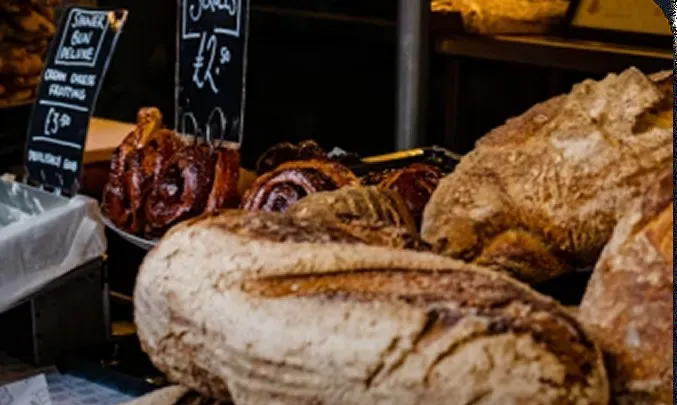
On a food trip, the meals are not breaks between sights; they are the sights. You plan your mornings around a market, walk off lunch on the way to the next neighbourhood and choose where to stay based on what is within strolling distance at dinnertime. Done well, it is one of the best ways to understand a place. Done badly, it turns into a string of queues and an uncomfortable amount of food.
What makes a great gastronomy trip
The best food trips have rhythm: one or two anchor meals a day, plenty of walking in between, and room for whatever looks good on the way. They mix the special with the everyday, so a meal you booked weeks ago sits next to a bakery you stumbled into, a market breakfast and a snack eaten standing at a counter.
They are also curious about the region, not just the city. Food changes as you move, between coast and inland, north and south, city and countryside, and a trip that follows those changes often tastes more interesting than one that stays in a single place.
How to plan a food-led trip
Start with what you want to eat
List the dishes, styles or experiences you are after: a particular market, street food, regional specialities, a long tasting menu, a cooking class, a visit to a producer. That list tells you which areas to base yourself in and how many days you need.
Base yourself near the food
Stay within walking distance of the places you most want to eat, especially in the evenings. An apartment with a kitchen is a bonus if you want to cook with what you buy; a central hotel or B&B works just as well if you plan to eat out for every meal.
Plan one or two anchors a day
Book the meals that need booking, and only those. Then shape the rest of the day around them, leaving gaps for snacks, coffee and recommendations from people you meet. A day of back-to-back reservations rarely leaves room to enjoy any of them.
Walk between meals
Group food stops by area and walk between them. You see more of the place, and you arrive at the next stop with an appetite.
Check days, hours and seasons
Many markets have particular days and busy hours, and some restaurants close on certain days of the week or for part of the year. What is in season changes too. Check the details for your destination and dates before building a day around one stop.
If you have dietary requirements, research them before you go and contact restaurants directly to ask what they can do.
Using real food itineraries
Food recommendations online are endless. A real itinerary shows how someone actually fitted them into a trip. In MyTripSharing you can filter public trips by the Gastronomy theme, add a destination, and sort by most popular to find the food trips other travellers have liked and saved.
When you open one, look at:
- Attractions inside each step. Markets, food halls, bakeries and restaurants are often pinned individually, so you can see what sits close together.
- Notes on what to order and when. “Go early on Saturday”, “worth the queue”, “small plates in the evening”: specific, time-sensitive tips.
- How the steps are divided. A food trip split by neighbourhood gives you a practical eating route through a city.
- Budget level. A $ trip full of street food and markets and a $$$ trip built around tasting menus are very different plans.
- Where they stayed. It hints at whether they were cooking for themselves or eating out every night.
Copy the location of a market or restaurant so you can open it in your maps app when you are nearby.
Recording a food trip that others can use
When you write up your trip, make the food specific. Pin each market, restaurant or bakery as an attraction within the step for its area, and add a photo of what you ate. In the notes, write what you ordered, what time you went, whether you needed to book and whether you would go back. Skip vague praise (“amazing food” helps nobody) and keep the practical detail.
Your travel journal then doubles as a personal food map you can return to, and a Trip Card turns the route into an Instagram Story once you are home.
For shorter food weekends in a single city, the city break ideas cover choosing a base and splitting a city into days.
Food trip checklist
- List the dishes, markets and experiences you are after
- Stay within walking distance of where you want to eat
- Book only the meals you would hate to miss
- Plan one or two anchors a day, not five
- Check market days and closing days for your dates
- Contact restaurants directly about dietary requirements
- Note what you ordered and when you went