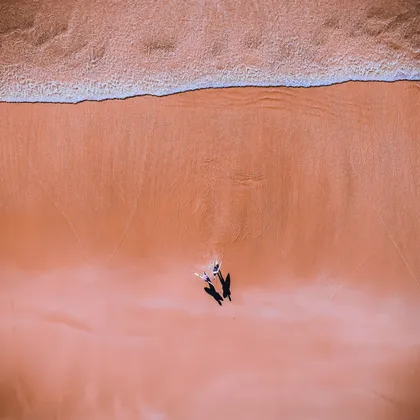
Time in nature rarely goes exactly to plan, and that is part of the point. Weather moves in, a trail takes longer than the sign suggests, a beach you meant to pass turns into an afternoon. The trips that feel best leave room for all of that while still having the practical side sorted: where you sleep, how you reach the places you came for, and what you do on the day it rains.
What makes a great nature escape
A strong nature trip usually has fewer bases and longer stays than a city or road trip. Rather than moving every night, you settle somewhere close to the landscape and head out from there. The days are built around light and conditions, not opening hours: early starts for walks and viewpoints, slower afternoons, and an evening somewhere quiet.
It also matches the effort to the people going. A coastal path that suits one group will feel like an expedition to another. Being honest about fitness, experience and how much walking everyone actually wants makes the rest of the planning much simpler.
How to plan a nature escape
Pick a landscape, then a base
Decide what kind of outdoors you are after (mountains, coastline, lakes, forest) and then look for a base within easy reach of it. A village near the trailheads, a cabin at the edge of a forest or a lodge in a valley often puts you closer to the good stuff than a bigger town with more choice.
Stay longer in fewer places
Two or three nights per base is a sensible minimum when weather can change your plans. It gives you a spare day to swap things around and means less time packing. If you want to move through a landscape, walking between villages or huts for instance, plan the stages carefully and keep a rest day somewhere in the middle.
Work out access before you book
Some places are easy by train or bus; others really need a car, a boat or a long walk in. Check how you will reach each base and how you will get from there to the walks or beaches you have in mind. Seasonal timetables and road closures can matter, so confirm with local operators for your dates.
Choose the season deliberately
Nature trips depend on timing more than most. Shoulder seasons can mean quieter trails and milder weather, while peak season may bring longer days and everything open, along with more people. The right answer depends on the place and what you want to do there, so read up on your specific destination.
Leave it as you found it
Stick to marked paths, take your rubbish home and follow local guidance on access, fires and protected areas. It keeps these places worth visiting.
What to look for in a traveller’s nature trip
Photos tell you whether a place is beautiful. A real itinerary tells you whether it is reachable and how long things take. In MyTripSharing you can explore public trips by theme and destination: choose Nature Escapes, then narrow by trip length or group type to find something close to the trip you have in mind.
Details worth reading closely:
- Where they stayed. Cabins, lodges, chalets, camping and B&Bs all turn up in real trips, and the stay type says a lot about how remote a base was.
- Transport between steps. Whether someone reached each base by car, bus, train or boat is exactly the information that is hard to find elsewhere.
- Attractions on the map. Trailheads, viewpoints, lakes and beaches pinned as attractions show what is within reach of each base.
- Notes on time and effort. How long a walk took, how steep it felt, whether a shuttle or boat was the smarter choice.
- Photos from each step. They show the terrain, the paths and the crowds as they were, not as a brochure would have them.
Recording your nature trip for the next person
The most useful nature trip records are honest about effort and conditions. When you add your steps, include where you stayed and how you reached each base. Pin the walks, viewpoints and swimming spots as attractions, so anyone following can copy their locations into a maps app. In the notes, write what you would have wanted to know: how long the walk really took, when the light was best, what the path was like underfoot, and what you would do with a rainy day there.
Your travel journal keeps all of that in one place with your photos and videos. Over time, My Travel Story adds up your days travelled and the distance you have covered.
For trips where the hiking is the main event rather than the backdrop, see the adventure trip ideas.
Nature escape checklist
- Choose the landscape first, then a base close to it
- Plan at least two nights per base
- Confirm how you will reach each base and each trailhead
- Keep one flexible day for weather
- Check local conditions and guidance before heading out
- Pack for the conditions you might meet, not the forecast you hope for
- Note walk times and access details as you go